


The Best Bread Machine Bread Recipe is more than just a set of instructions; it’s a gateway to effortless, perfectly baked loaves that will transform your kitchen into a fragrant bakery. We all love the comforting aroma of freshly baked bread, and this recipe delivers exactly that, with minimal fuss and maximum reward. Imagin extracte sinking your teeth into a warm, crusty slice, the soft interior yielding to a delightful chew – it’s pure, unadulterated comfort food. What makes this particular bread machine bread recipe so special? It’s the meticulously balanced ingredients and straightforward process that guarantee consistent, bakery-quality results every single time, even for novice bakers. Forget those dense, disappointing loaves; this is the recipe that will have you ditching the store-bought stuff forever gin extract bragging about your homemade creations.
Why You’ll Adore This Recipe
People are drawn to this recipe because it demystifies bread making. The convenience of a bread machine is undeniable, but achieving truly spectacular results can be tricky. This guide cuts through the confusion, offering a foolproof method for creating a universally loved, classic white bread. Its simplicity is its strength, allowing the natural flavors of the ingredients to shine. Whether you’re craving a simple sandwich base or a side for your favorite soup, this bread fits the bill. It’s adaptable, delicious, and, frankly, incredibly satisfying to pull a perfect loaf from your machine.
What Sets This Bread Machine Bread Apart
This recipe stands out because it’s been perfected for ease and flavor. We focus on using simple, pantry-staple ingredients to create a tender crum extractb and a beautifully golden crust. You won’t find any complicated techniques here. The magic lies in the proportions and the gentle rise that the bread machine provides. It’s designed to produce a loaf that is both hearty and light, making it perfect for toasting, sandwiches, or simply enjoying with a generous smear of butter. Get ready to impress yourself and everyone you share it with!

Ingredients:
- 1 ¾ cups warm water (415g)
- 2 tablespoons vegetable oil (25g)
- 1 ½ teaspoons granulated sugar (7g)
- 1 teaspoon salt (8g)
- 4 cups all-purpose bread flour (570g)
- 2 teaspoons bread machine yeast (8g)
Preparing Your Bread Machine for the Best Loaf
Adding Liquids First
The order in which you add ingredients to your bread machine is crucial for optimal mixing and rising. We’ll start with the wet ingredients. Pour the 1 ¾ cups of warm water directly into the bread pan. Ensure your water is warm to the touch, around 105-115°F (40-46°C). Too cold and the yeast won’t activate properly, leading to a dense loaf. Too hot and you risk killing the yeast, which will also prevent rising. Next, add the 2 tablespoons of vegetable oil. The oil contributes to a tender crum extractb and moist texture, preventing the bread from drying out during baking.
Introducing Sweetness and Seasoning
Now, let’s add the supporting players for flavor and structure. Carefully measure and add the 1 ½ teaspoons of granulated sugar. Sugar acts as food for the yeast, helping it to ferment and produce carbon dioxide, which is essential for the bread to rise. It also contributes a subtle sweetness that complements the overall flavor profile of the bread. Following the sugar, add the 1 teaspoon of salt. Salt plays a vital role not only in enhancing the flavor of the bread but also in controlling yeast activity. It strengthens the gluten structure, preventing the dough from over-proofing and resulting in a more stable loaf.
Incorporating the Flour
With the wet ingredients and flavorings in place, it’s time to add the star of the show: the flour. Measure out 4 cups of all-purpose bread flour. Bread flour is specifically recommended because it has a higher protein content compared to all-purpose flour, which develops more gluten during mixing. More gluten means a stronger dough that can trap more air, resulting in a lighter, chewier loaf with a better structure. To ensure even distribution and to prevent the yeast from coming into direct contact with the liquid prematurely (which can sometimes inhibit its initial activation), I like to create a slight well or mound in the center of the flour, leaving the wet ingredients mostly covered. Some bread machines will specify adding flour before liquids, so always check your machine’s manual first, but this method generally yields excellent results.
The Crucial Yeast Addition
Finally, the magic ingredient: the yeast. Measure 2 teaspoons of bread machine yeast. Bread machine yeast is designed for this specific purpose and often contains dough conditioners that aid in the baking process. It’s imperative that the yeast is added last, directly on top of the flour, and not mixed with the liquid ingredients at this stage. This prevents the yeast from activating too early before the dough has a chance to develop. When the bread machine begin extracts its cycle, the kneading action will incorporate the yeast into the dough, allowing for a controlled and efficient rise. Ensure your yeast is fresh; expired yeast will not perform as expected, and your bread simply won’t rise.
Starting the Bread Machine Cycle
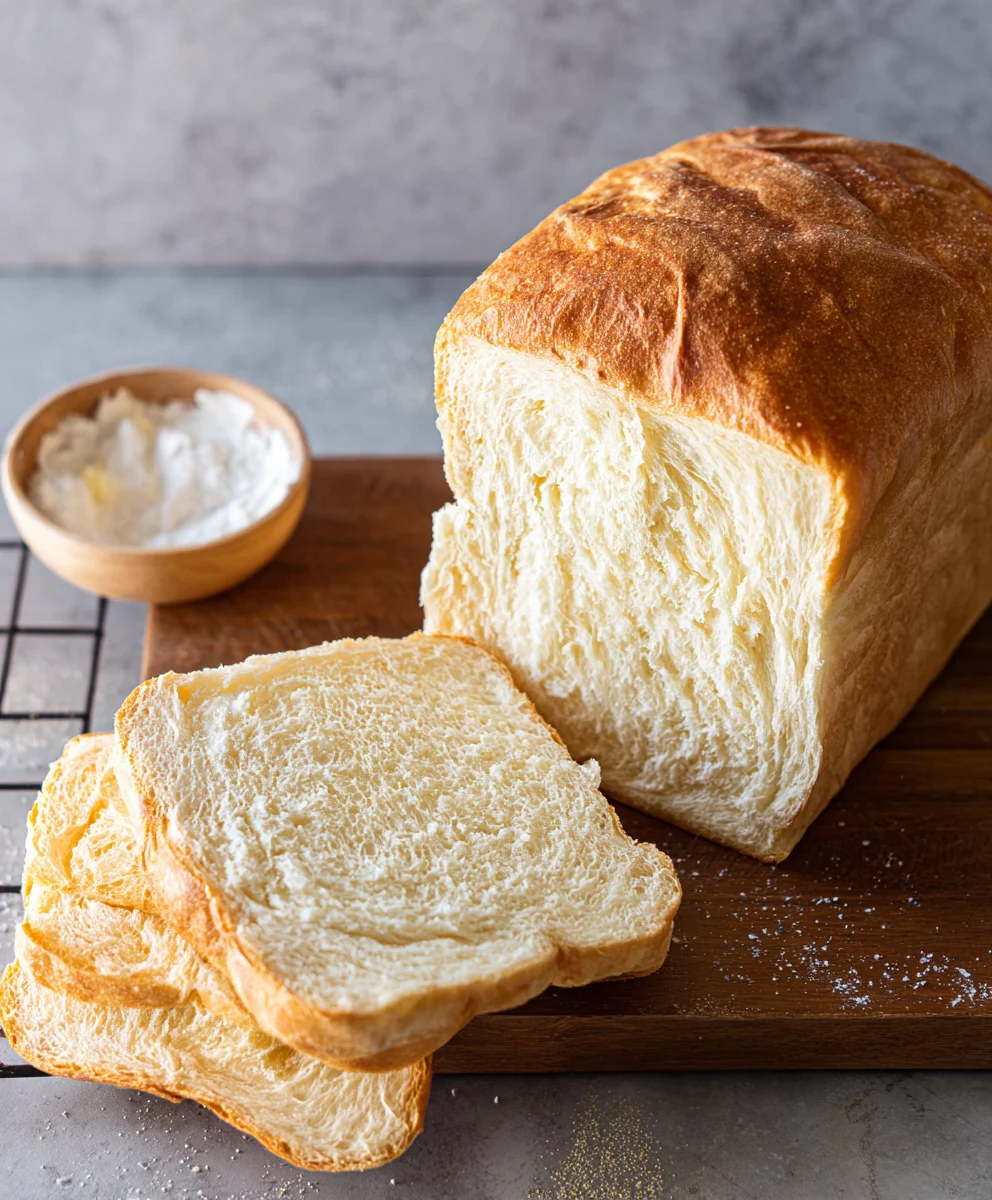
Once all ingredients are in the bread pan according to the order described (or as per your machine’s specific instructions), securely lock the pan into your bread machine. Close the lid firmly. Now, it’s time to select the appropriate setting on your bread machine. For this classic white bread recipe, I recommend selecting the “Basic” or “White Bread” cycle. These cycles typically include preheating, kneading, rising, and baking stages tailored for this type of bread. If your machine offers crust color options, choose your preferred setting – light, medium, or dark. For this recipe, a medium crust usually works beautifully. Once your settings are chosen, press the start button and let the machine work its magic. Resist the urge to open the lid during the kneading or rising cycles, as this can cause the dough to collapse. The machine will handle everything from mixing and kneading to the crucial proofing and baking, delivering a perfectly golden and delicious loaf.
Conclusion:
There you have it – the guide to creating “The Best Bread Machine Bread Recipe” that will have your kitchen smelling absolutely divine! We’ve walked through each step, from selecting the perfect ingredients to the final, golden-brown loaf. This recipe is wonderfully straightforward, making it accessible for bakers of all levels. The beauty of this method is its reliability; you’re almost guaranteed a perfect loaf every time. Don’t be afraid to experiment once you’ve mastered the basics!
Serving Suggestions: This versatile bread is fantastic on its own, slathered with butter. It also makes the perfect accompaniment to soups and stews, forms the foundation for incredible sandwiches, and is divine toasted for breakfast with your favorite toppings. Imagin extracte a thick slice toasted golden and topped with avocado and a sprinkle of red pepper flakes – pure bliss!
Variations: Feel free to get creative! Add a handful of seeds like sunflower or poppy seeds to the dough for added texture and flavor. A sprinkle of dried herbs, like rosemary or thyme, can elevate it for a savory twist. For a touch of sweetness, consider adding a tablespoon of honey or maple syrup to the liquid ingredients. You could also try incorporating a small amount of whole wheat flour for a nuttier taste.
I truly hope you enjoy making and devouring “The Best Bread Machine Bread Recipe.” Happy baking!
Frequently Asked Questions:
Q: My bread machine bread always comes out too dense. What am I doing wrong with “The Best Bread Machine Bread Recipe”?
A: Density can often be caused by using too much flour or not enough liquid. Make sure you are accurately measuring your flour, preferably by weight. Also, ensure your yeast is fresh and active; old yeast can lead to poor rising. For “The Best Bread Machine Bread Recipe,” double-check that you’ve added the correct amount of liquid as specified.
Q: Can I make “The Best Bread Machine Bread Recipe” with a different type of flour?
A: While this recipe is optimized for all-purpose flour, you can experiment with adding up to 25% whole wheat flour for a nuttier flavor and denser crum extractb. If you’re aiming for a full whole wheat loaf, you’ll likely need to adjust the liquid content, as whole wheat flour absorbs more moisture. For best results with “The Best Bread Machine Bread Recipe,” stick to the recommended flour initially.
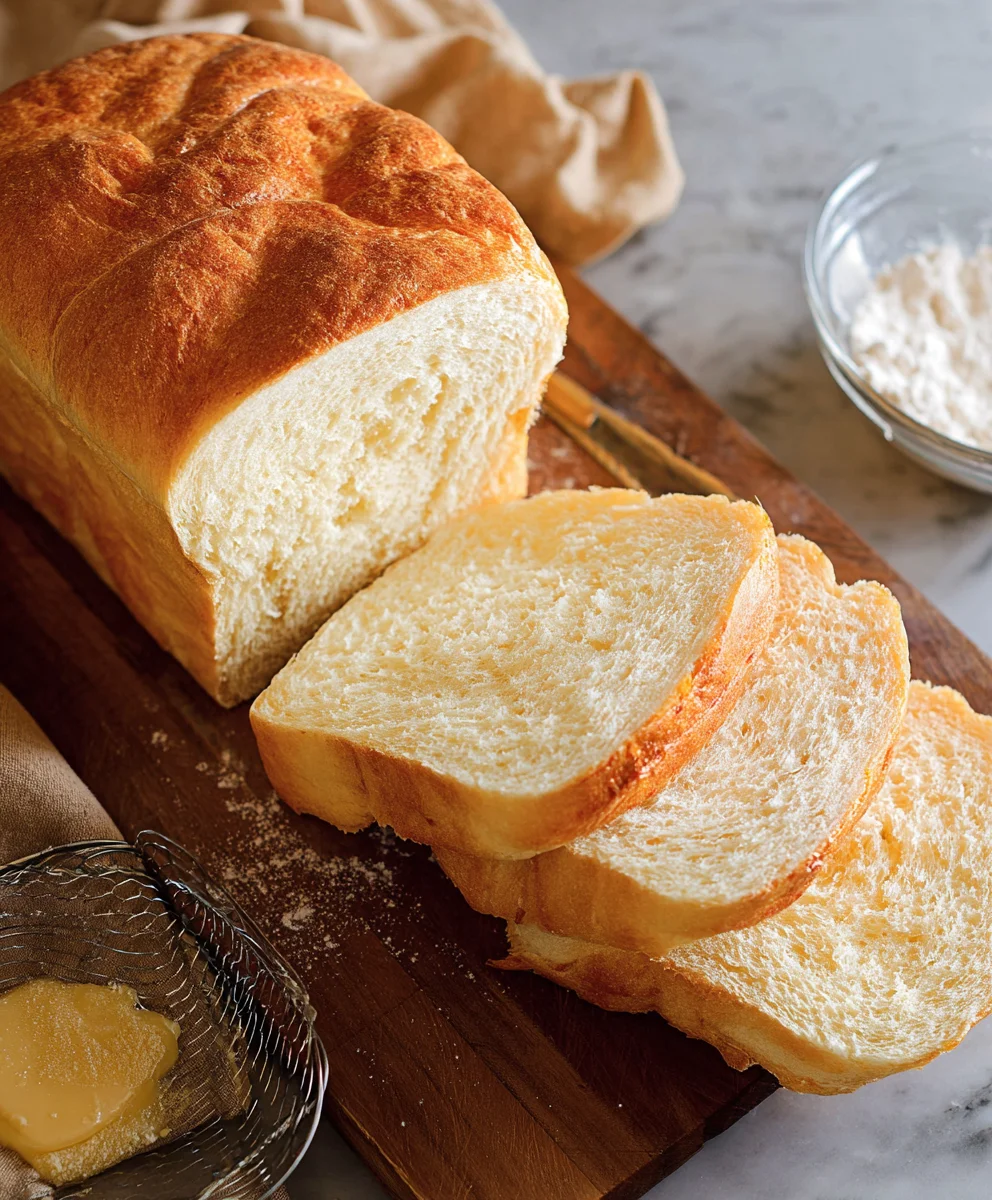
Best Bread Machine Bread Recipe-Foolproof Loaf
A simple and foolproof recipe for making delicious white bread in your bread machine.
Ingredients
-
1 ¾ cups warm water (415g)
-
2 tablespoons vegetable oil (25g)
-
1 ½ teaspoons granulated sugar (7g)
-
1 teaspoon salt (8g)
-
4 cups all-purpose bread flour (570g)
-
2 teaspoons bread machine yeast (8g)
Instructions
-
Step 1
Add wet ingredients to the bread pan: 1 ¾ cups warm water (around 105-115°F) and 2 tablespoons of vegetable oil. -
Step 2
Add the sugar and salt: 1 ½ teaspoons granulated sugar and 1 teaspoon salt. -
Step 3
Add the flour: 4 cups of all-purpose bread flour. Create a slight well in the center of the flour. -
Step 4
Add the yeast last: 2 teaspoons of bread machine yeast, placed directly on top of the flour, ensuring it doesn’t touch the liquid. -
Step 5
Secure the bread pan in the machine, close the lid, select the ‘Basic’ or ‘White Bread’ cycle, and choose your desired crust color. Press start. -
Step 6
Allow the bread machine to complete its cycle without opening the lid during kneading or rising stages.
Important Information
Nutrition Facts (Per Serving)
It is important to consider this information as approximate and not to use it as definitive health advice.
Allergy Information
Please check ingredients for potential allergens and consult a health professional if in doubt.


Leave a Comment