


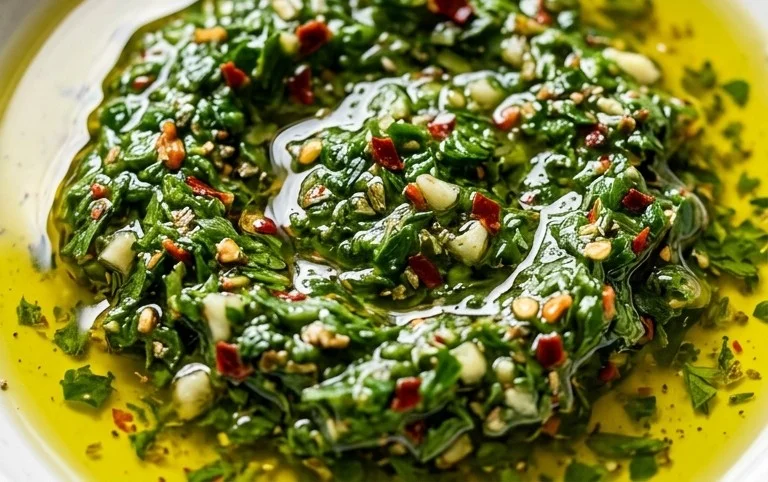
Chimichurri sauce recipe perfection is within your reach! If you’ve ever savored the vibrant, zesty tang that elevates grilled meats, roasted vegetables, or even a simple piece of crusty bread, you’ve experienced the magic of this Argentinian condiment. What makes chimichurri so utterly irresistible? It’s that dazzling symphony of fresh parsley and oregano, mingling with pungent garlic, a hint of heat from red pepper flakes, and the bright acidity of vinegar, all bound together with good olive oil. It’s the kind of sauce that doesn’t just accompany your food; it transforms it, adding a layer of herbaceous freshness and irresistible punch that’s truly addictive. Forget store-bought versions; mastering your own chimichurri sauce recipe unlocks a world of flavor that’s both simple and profoundly satisfying. Get ready to impress yourself and everyone you cook for with this essential, game-changin extractg condiment.

Chimichurri Sauce Recipe
Ah, chimichurri! If you haven’t experienced the vibrant, herbaceous magic of this Argentinian sauce, you’re in for a treat. It’s the kind of condiment that can elevate the simplest grilled chicken or steak to something truly extraordinary. Its bright, zesty flavor, with just a hint of heat, cuts through richness and adds a beautiful freshness to any dish. I love making a big batch of chimichurri and keeping it on hand for the week; it’s incredibly versatile and so much better than anything store-bought. Forget those bland, oily green sauces – this homemade version is packed with fresh herbs and a punch of acidity that will awaken your palate.
Ingredients:
Crafting Your Chimichurri: The Delicious Process
Making chimichurri is wonderfully straightforward, and the beauty of it lies in its freshness. There’s no cooking involved, just a bit of chopping and mixing to let those incredible flavors meld together. My favorite way to prepare it is using a food processor, but don’t worry if you don’t have one; a good old-fashioned knife and some elbow grease will do the trick, and in many ways, I find a bit more texture when I chop by hand.
Step 1: Preparing the Herbaceous Foundation
Begin extract by gathering all your fresh herbs. For this recipe, we’re using a generous amount of Italian flat-leaf parsley, which provides a clean, green base. We’ll also add fresh cilantro for a slightly citrusy, pungent note, and fresh oregano for its earthy, peppery undertones. It’s crucial to remove the stems from all your herbs. Stems can be tough and fibrous, and they won’t break down as easily as the leaves, potentially giving your chimichurri an unpleasant texture. Strip the leaves carefully from the stems; this is the most time-consuming part, but it’s well worth the effort for a smooth, delightful sauce. Once the leaves are stripped, give them a gentle rinse and pat them thoroughly dry. Excess water can dilute the flavors and affect the shelf life of your sauce.
Step 2: Introducing the Aromatics
Next, we add the aromatic components. I like to use red onion for its slightly sweeter, milder flavor compared to yellow or white onions, though shallots are an excellent, even more delicate alternative. Roughly chop your red onion or shallots. The garlic cloves should also be peeled. We’re not mincing them to a paste just yet; the food processor (or your knife) will take care of that. For a subtle kick of heat, add the red pepper flakes. If you’re sensitive to spice, start with a smaller amount and add more to taste. For those who love a bit of fire, you might even consider a pinch more.
Step 3: Processing the Greens and Aromatics
Now, it’s time to bring our herbs and aromatics together. If you’re using a food processor, add the parsley, cilantro, oregano, chopped red onion (or shallots), peeled garlic cloves, and red pepper flakes to the bowl. Pulse the machine a few times until everything is finely chopped. You want a texture that’s finely minced, not a watery puree. If you’re chopping by hand, finely mince all the herbs and aromatics. This will take a bit more time and patience, but the result is a wonderfully rustic texture that many people prefer. Once everything is finely chopped, transfer this mixture to a medium-sized bowl.
Step 4: The Emulsion – Oil and Acidity Unite
This is where the magic really happens, transforming the chopped ingredients into a cohesive sauce. Slowly drizzle in the extra-virgin extract olive oil while the food processor is running on a low speed, or while you are whisking vigorously if you’ve chopped by hand. You’re aiming for a slightly emulsified consistency, where the oil is well incorporated but not completely blended into a smooth paste. Next, add the red grape juice vinegar and fresh lemon juice. The vinegar provides a lovely tang, and the lemon juice adds a bright, fresh counterpoint that really lifts the entire sauce. Whisk these liquids into the herb and oil mixture until everything is well combined.
Step 5: Seasoning and Resting for Flavor Fusion
Finally, it’s time to season your chimichurri. Add the kosher salt to the bowl. Give everything a good stir to ensure the salt is evenly distributed. Taste the chimichurri and adjust the seasoning as needed. You might want a little more salt, a touch more vinegar for tang, or even another pinch of red pepper flakes for heat. Once you’re happy with the flavor profile, cover the bowl and let the chimichurri rest. This resting period is crucial; it allows all the flavors to meld and deepen. I like to let it sit at room temperature for at least 30 minutes before serving, but for the absolute best flavor, letting it sit in the refrigerator for a few hours, or even overnight, is highly recommended. The herbs will soften slightly, and the flavors will become more harmonious.
This chimichurri sauce is your new best friend for grilled meats, poultry, fish, vegetables, and even as a vibrant dressing for salads or a dip for crusty bread. Enjoy the explosion of fresh, zesty goodness!
Conclusion:
There you have it! My simple yet incredibly flavorful Chimichurri Sauce Recipe is ready to elevate your meals. This vibrant, herbaceous sauce is a true game-changer, offering a burst of freshness that cuts through richness and brightens even the simplest dishes. Its versatility is its superpower – perfect for grilled meats, roasted vegetables, seafood, and even as a dip. Don’t be intimidated by the fresh herbs; the process is quick and the results are immensely rewarding. I truly encourage you to give this chimichurri a try; I promise it will become a staple in your kitchen!
Consider serving it generously over juicy grilled steaks, smoky grilled chicken, pan-seared fish, or alongside roasted potatoes and asparagus. For a delightful twist, try adding a pinch of red pepper flakes for a subtle kick or substituting some of the parsley with fresh cilantro for a different herbaceous profile. The possibilities are endless, and the homemade difference is undeniable.
Frequently Asked Questions:
Can I make chimichurri ahead of time?
Absolutely! Chimichurri actually benefits from a little resting time. You can make it a day or two in advance and store it in an airtight container in the refrigerator. The flavors will meld beautifully. Just give it a good stir before serving.
What if I don’t have fresh oregano?
While fresh is always best for chimichurri, you can use dried oregano in a pinch. Use about 1 teaspoon of dried oregano for every tablespoon of fresh. However, the vibrant, fresh taste is really what makes this sauce shine, so I highly recommend seeking out fresh herbs if possible.
How long does chimichurri last?
When stored properly in an airtight container in the refrigerator, your chimichurri sauce should stay fresh for about 3-4 days. The fresh herbs will start to lose their vibrancy after that, but it’s still perfectly safe to consume.
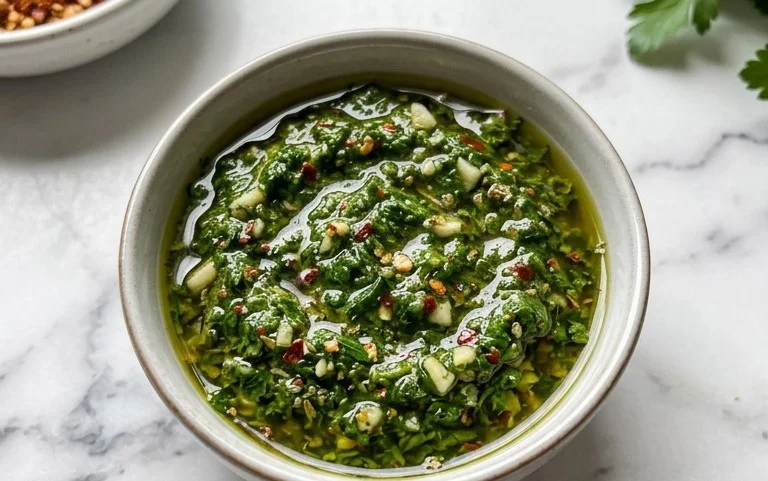
Chimichurri Sauce Recipe
A vibrant and herbaceous Argentinian sauce perfect for grilling, roasting, or as a salad dressing.
Ingredients
-
1 cup fresh Italian flat-leaf parsley (, leaves only, stems removed)
-
1/4 cup fresh cilantro (, leaves only, stems removed)
-
1/4 cup fresh oregano (, leaves only, stems removed)
-
1/3 cup roughly chopped red onion or shallots
-
3 cloves garlic (, peeled)
-
1/2 teaspoon red pepper flakes
-
1/2 cup extra-virgin olive oil
-
1/4 cup red grape juice vinegar
-
3 tablespoons fresh lemon juice
-
1 teaspoon kosher salt
Instructions
-
Step 1
Finely chop the parsley, cilantro, and oregano. -
Step 2
In a bowl, combine the chopped herbs, red onion or shallots, minced garlic, and red pepper flakes. -
Step 3
In a separate small bowl, whisk together the extra-virgin olive oil, red grape juice vinegar, lemon juice, and kosher salt. -
Step 4
Pour the olive oil mixture over the herb mixture. -
Step 5
Stir well to combine all ingredients. Allow the sauce to sit for at least 15-30 minutes to let the flavors meld. -
Step 6
Taste and adjust seasoning as needed.
Important Information
Nutrition Facts (Per Serving)
It is important to consider this information as approximate and not to use it as definitive health advice.
Allergy Information
Please check ingredients for potential allergens and consult a health professional if in doubt.

Leave a Comment